Linothele fallax (Tiger Funnel-Web Spider) FEMALE
Linothele fallax (Tiger Funnel-Web Spider)
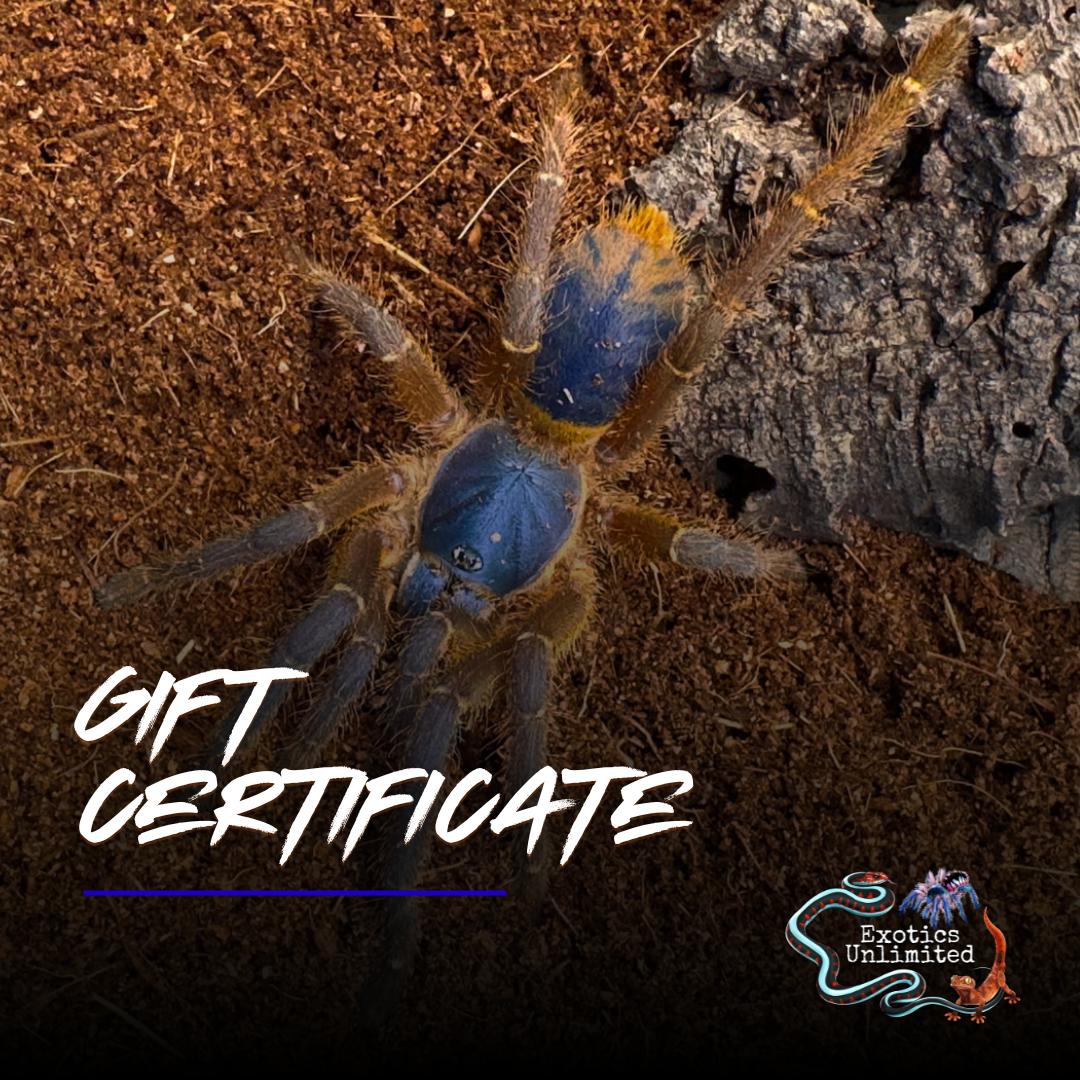
The Tiger Funnel-Web is one of the most underrated heavy webbers in the hobby, and a true standout for anyone looking to grab this New World invertebrate for sale before supplies run out. This South American mygalomorph builds curtain webs so dense and elaborate they look like sheets of silk layered across the enclosure. The color transition is the real headline: juveniles show off a striking black and orange tiger-striped pattern, while adults settle into a dark purple carapace with a stunning orange and black-purple abdomen. This is a heavy webber in the truest sense, and watching one construct and expand its web is half the fun of keeping them.
Why do hobbyists keep Linothele fallax?
- Striking Adult Coloration: Adults of this species are a deep purple and orange coloration and reach a max size around 4" making for an impressive pet!
- Interesting Color Change: juveniles show a bold black and orange tiger-striped pattern that transitions into a dark purple carapace and orange and black-purple abdomen in adults
- Heavy Webber: builds dense, layered curtain webs that look like sheets of silk across the entire enclosure
- Active Display Species: spends plenty of time out on the webbing, easy to observe and photograph
- Impressive Adult Size: reaches around 4" leg span, much bigger than most web-building spiders
- Great Feeding Response: Feeding time is extra fun since the elaborate webs of funnel webs tangle their prey, while the spiders run out to tackle their prey!
How should Linothele fallax be kept?
- Adult Size: medium invertebrate reaching around 4" leg span at maturity
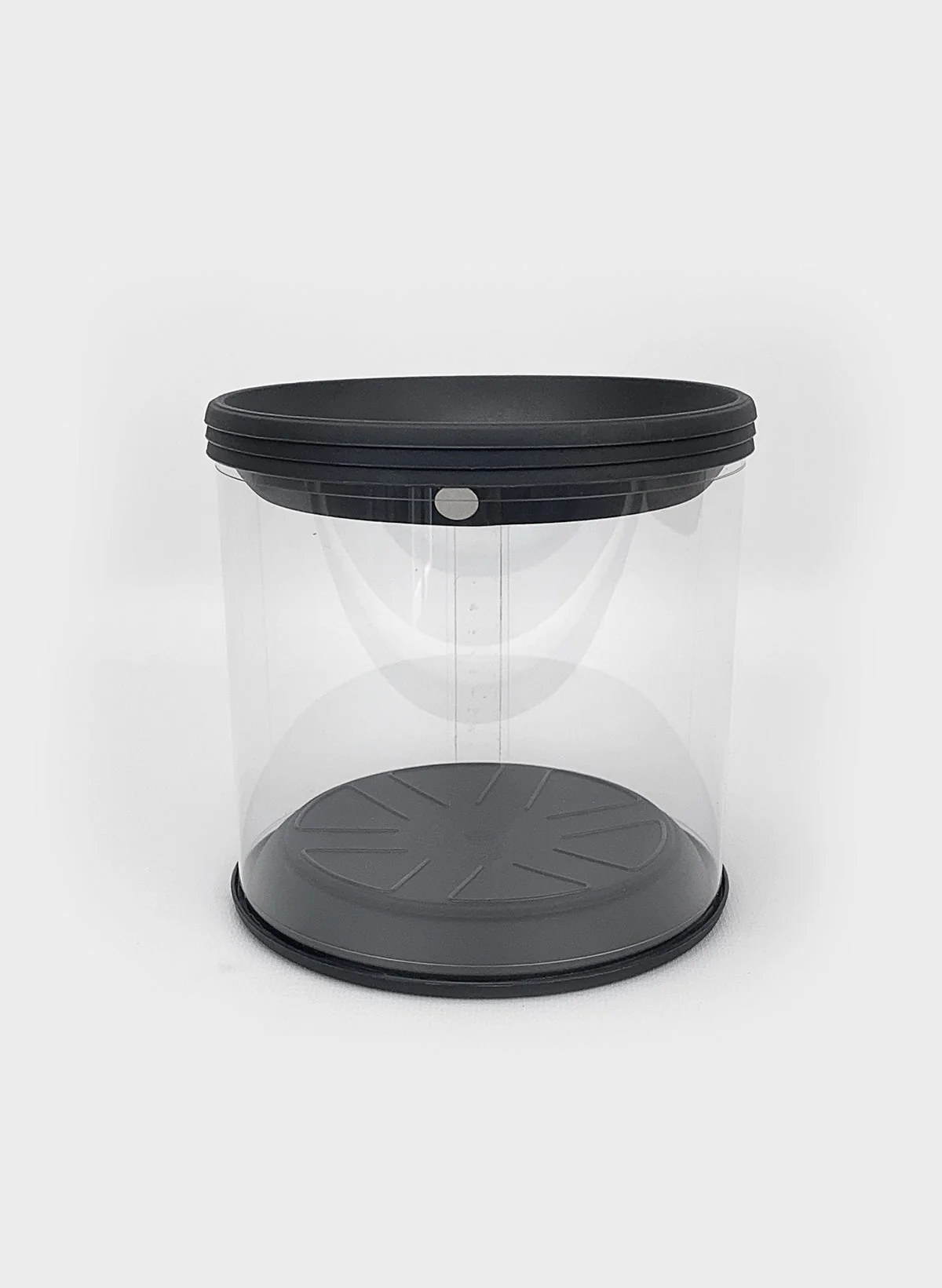
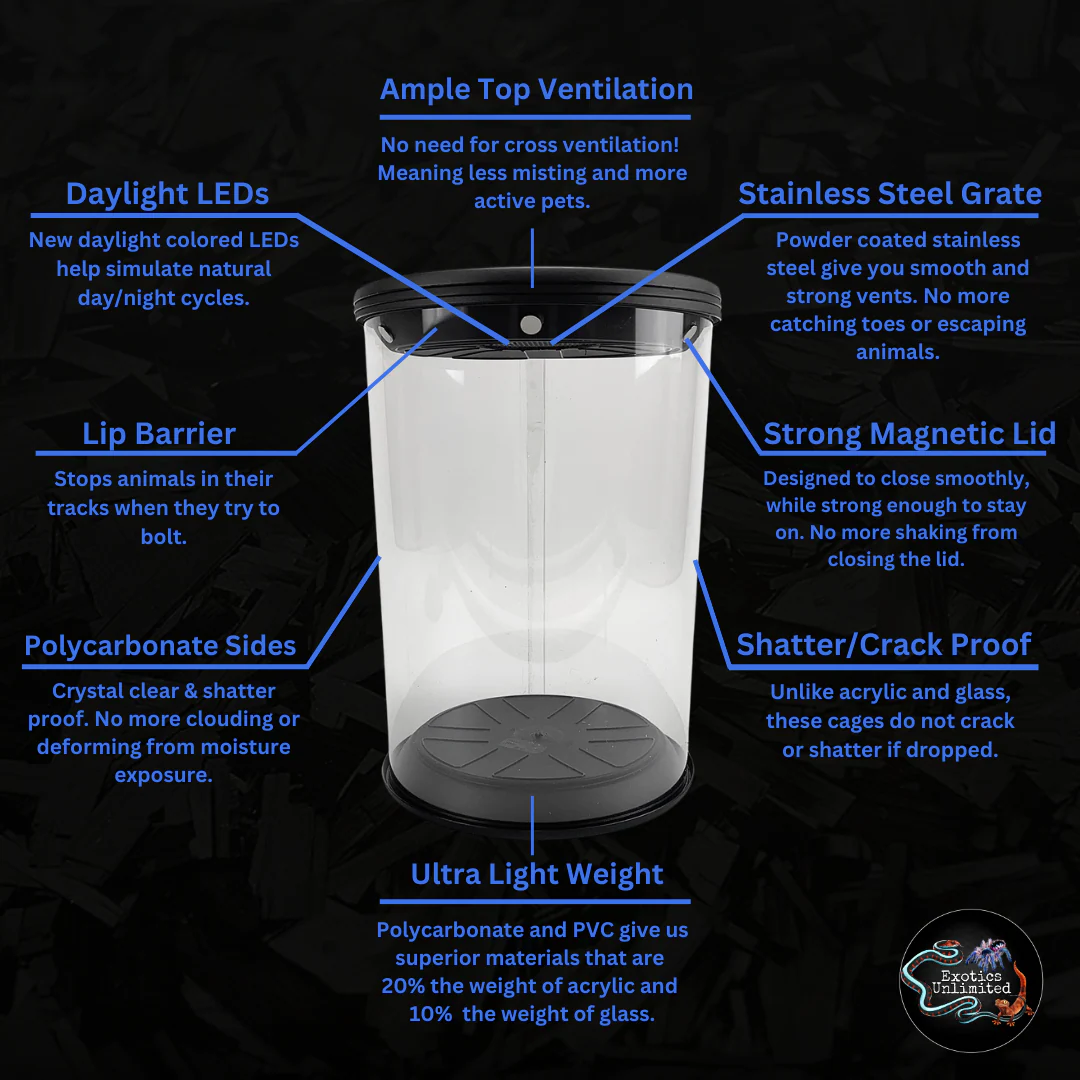
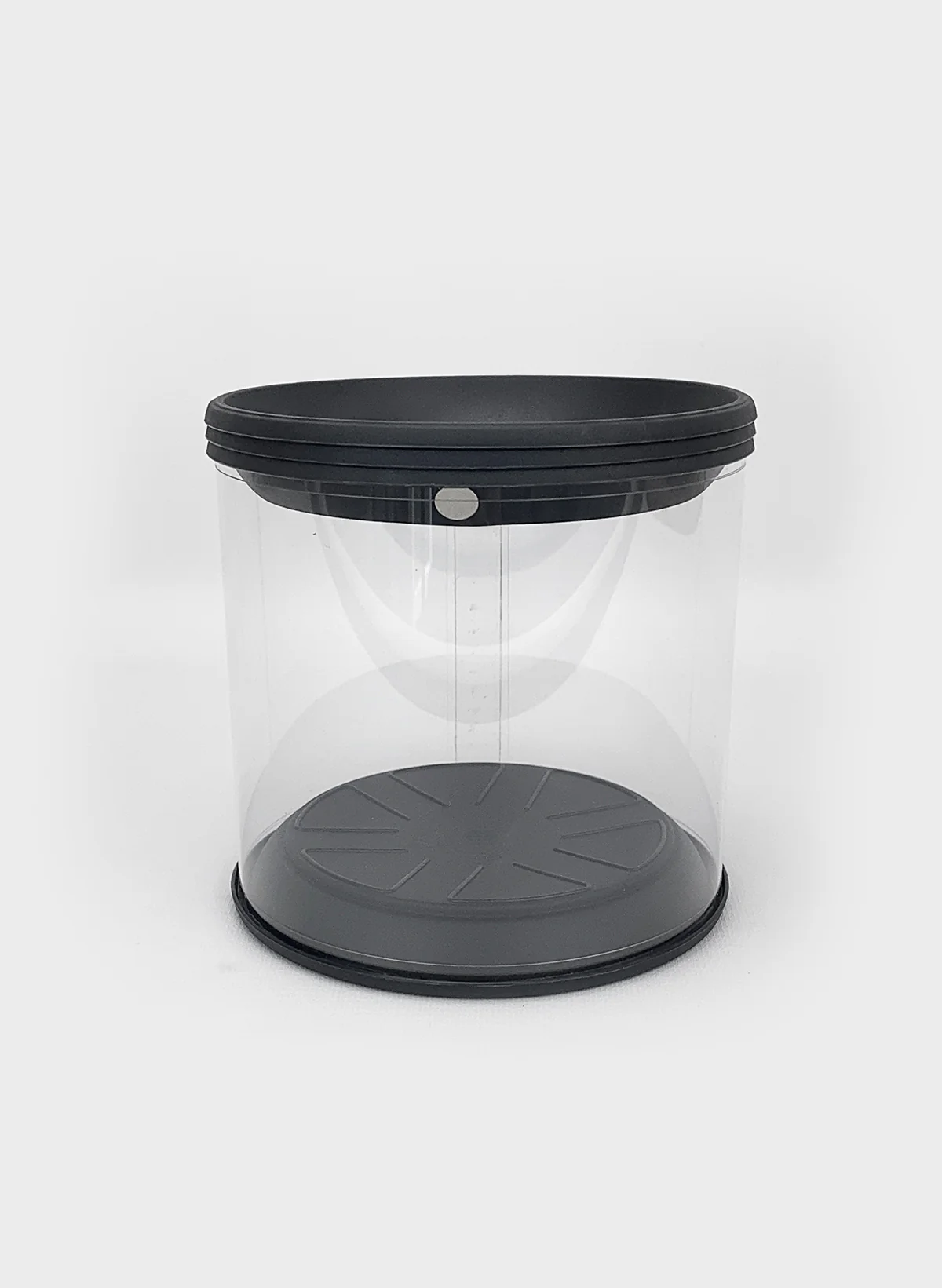
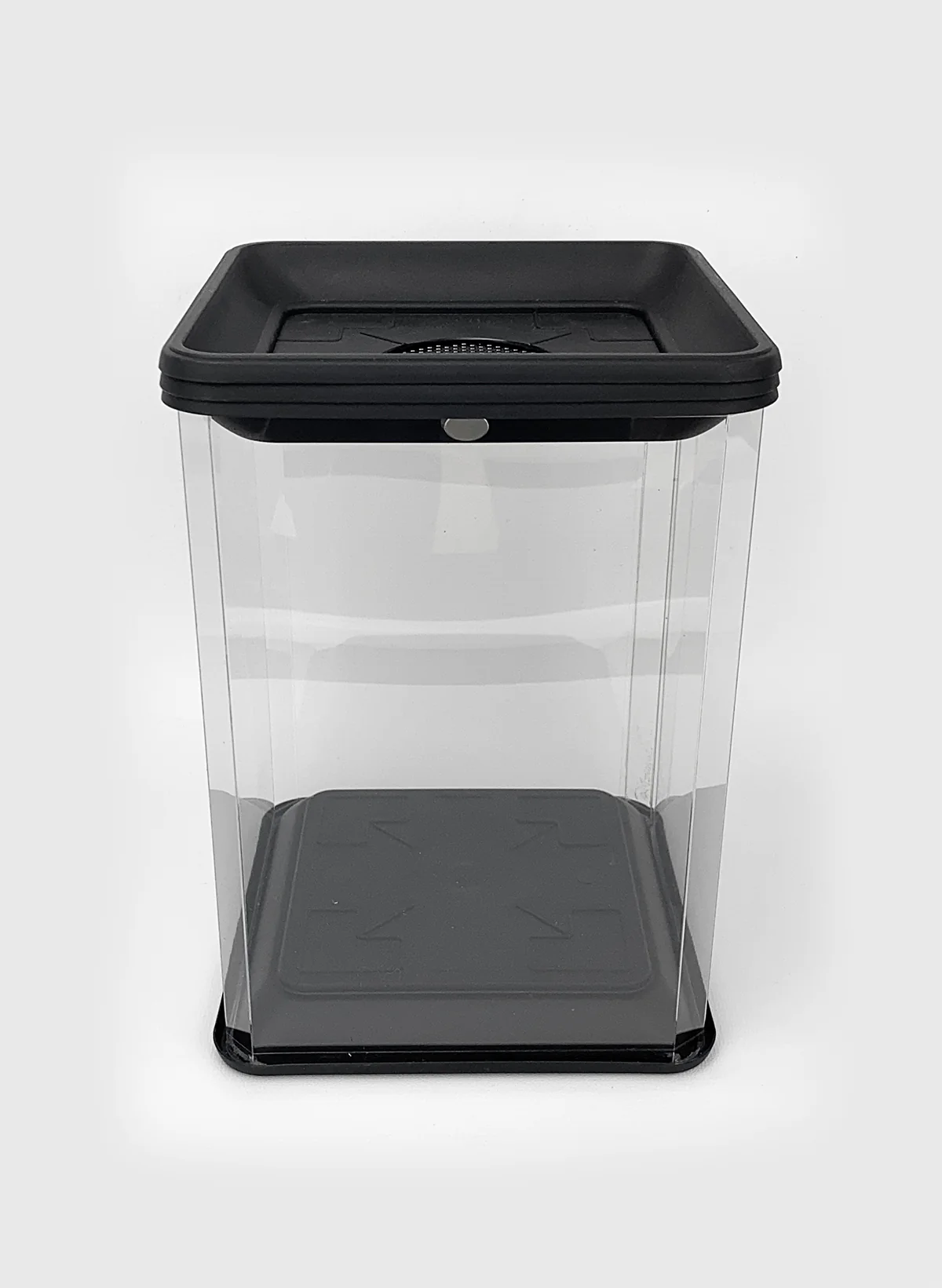
- Enclosure: terrestrial setup with anchor points for extensive webbing, deep substrate and leaf litter, low hide optional, good airflow through the enclosure
- Temperature: 70-78°F with stable conditions
- Humidity: moderate to high, keep substrate slightly moist, mist webbing lightly
- Water: shallow water dish at substrate level, something they can grip when climbing out
- Diet: prey about half the body length, small crickets and roaches readily accepted, this species feeds aggressively on the web
Are there any additional notes or considerations?
- Not a True Spider: mygalomorph, same group as tarantulas, longer lived and easier to breed than true spiders
- Heavy Webbing Means Rehousing: extensive webs mean rehousing takes patience and care to avoid damaging the setup
- Beginner-Friendly Mygalomorph: great entry into web-building invertebrates for keepers wanting something different from a tarantula
- Captive Bred: All Tarantulas are 100% captive bred.
Listing Notes
This is a sexed female available!
Product Information
Product Information
Shipping & Returns
Shipping & Returns

Linothele fallax (Tiger Funnel-Web Spider) FEMALE
Linothele fallax (Tiger Funnel-Web Spider) FEMALE
Linothele fallax (Tiger Funnel-Web Spider)
The Tiger Funnel-Web is one of the most underrated heavy webbers in the hobby, and a true standout for anyone looking to grab this New World invertebrate for sale before supplies run out. This South American mygalomorph builds curtain webs so dense and elaborate they look like sheets of silk layered across the enclosure. The color transition is the real headline: juveniles show off a striking black and orange tiger-striped pattern, while adults settle into a dark purple carapace with a stunning orange and black-purple abdomen. This is a heavy webber in the truest sense, and watching one construct and expand its web is half the fun of keeping them.
Why do hobbyists keep Linothele fallax?
- Striking Adult Coloration: Adults of this species are a deep purple and orange coloration and reach a max size around 4" making for an impressive pet!
- Interesting Color Change: juveniles show a bold black and orange tiger-striped pattern that transitions into a dark purple carapace and orange and black-purple abdomen in adults
- Heavy Webber: builds dense, layered curtain webs that look like sheets of silk across the entire enclosure
- Active Display Species: spends plenty of time out on the webbing, easy to observe and photograph
- Impressive Adult Size: reaches around 4" leg span, much bigger than most web-building spiders
- Great Feeding Response: Feeding time is extra fun since the elaborate webs of funnel webs tangle their prey, while the spiders run out to tackle their prey!
How should Linothele fallax be kept?
- Adult Size: medium invertebrate reaching around 4" leg span at maturity
- Enclosure: terrestrial setup with anchor points for extensive webbing, deep substrate and leaf litter, low hide optional, good airflow through the enclosure
- Temperature: 70-78°F with stable conditions
- Humidity: moderate to high, keep substrate slightly moist, mist webbing lightly
- Water: shallow water dish at substrate level, something they can grip when climbing out
- Diet: prey about half the body length, small crickets and roaches readily accepted, this species feeds aggressively on the web
Are there any additional notes or considerations?
- Not a True Spider: mygalomorph, same group as tarantulas, longer lived and easier to breed than true spiders
- Heavy Webbing Means Rehousing: extensive webs mean rehousing takes patience and care to avoid damaging the setup
- Beginner-Friendly Mygalomorph: great entry into web-building invertebrates for keepers wanting something different from a tarantula
- Captive Bred: All Tarantulas are 100% captive bred.
Listing Notes
This is a sexed female available!
Original: $199.00
-65%$199.00
$69.65Product Information
Product Information
Shipping & Returns
Shipping & Returns
Description
Linothele fallax (Tiger Funnel-Web Spider)
The Tiger Funnel-Web is one of the most underrated heavy webbers in the hobby, and a true standout for anyone looking to grab this New World invertebrate for sale before supplies run out. This South American mygalomorph builds curtain webs so dense and elaborate they look like sheets of silk layered across the enclosure. The color transition is the real headline: juveniles show off a striking black and orange tiger-striped pattern, while adults settle into a dark purple carapace with a stunning orange and black-purple abdomen. This is a heavy webber in the truest sense, and watching one construct and expand its web is half the fun of keeping them.
Why do hobbyists keep Linothele fallax?
- Striking Adult Coloration: Adults of this species are a deep purple and orange coloration and reach a max size around 4" making for an impressive pet!
- Interesting Color Change: juveniles show a bold black and orange tiger-striped pattern that transitions into a dark purple carapace and orange and black-purple abdomen in adults
- Heavy Webber: builds dense, layered curtain webs that look like sheets of silk across the entire enclosure
- Active Display Species: spends plenty of time out on the webbing, easy to observe and photograph
- Impressive Adult Size: reaches around 4" leg span, much bigger than most web-building spiders
- Great Feeding Response: Feeding time is extra fun since the elaborate webs of funnel webs tangle their prey, while the spiders run out to tackle their prey!
How should Linothele fallax be kept?
- Adult Size: medium invertebrate reaching around 4" leg span at maturity
- Enclosure: terrestrial setup with anchor points for extensive webbing, deep substrate and leaf litter, low hide optional, good airflow through the enclosure
- Temperature: 70-78°F with stable conditions
- Humidity: moderate to high, keep substrate slightly moist, mist webbing lightly
- Water: shallow water dish at substrate level, something they can grip when climbing out
- Diet: prey about half the body length, small crickets and roaches readily accepted, this species feeds aggressively on the web
Are there any additional notes or considerations?
- Not a True Spider: mygalomorph, same group as tarantulas, longer lived and easier to breed than true spiders
- Heavy Webbing Means Rehousing: extensive webs mean rehousing takes patience and care to avoid damaging the setup
- Beginner-Friendly Mygalomorph: great entry into web-building invertebrates for keepers wanting something different from a tarantula
- Captive Bred: All Tarantulas are 100% captive bred.
Listing Notes
This is a sexed female available!