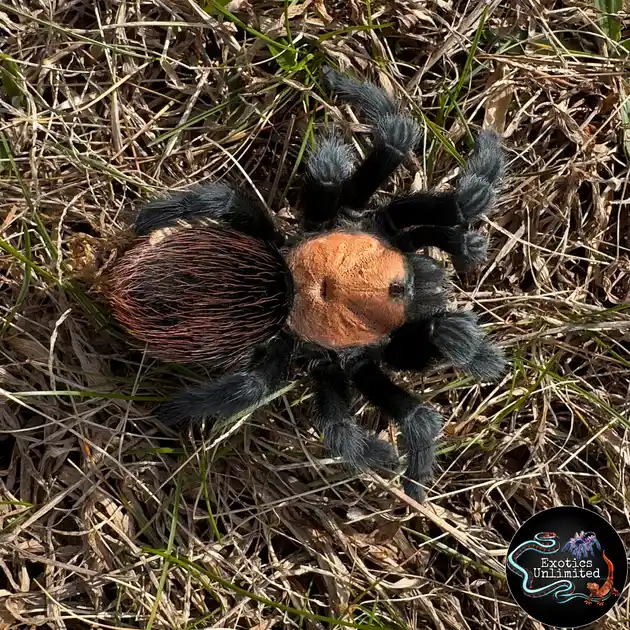
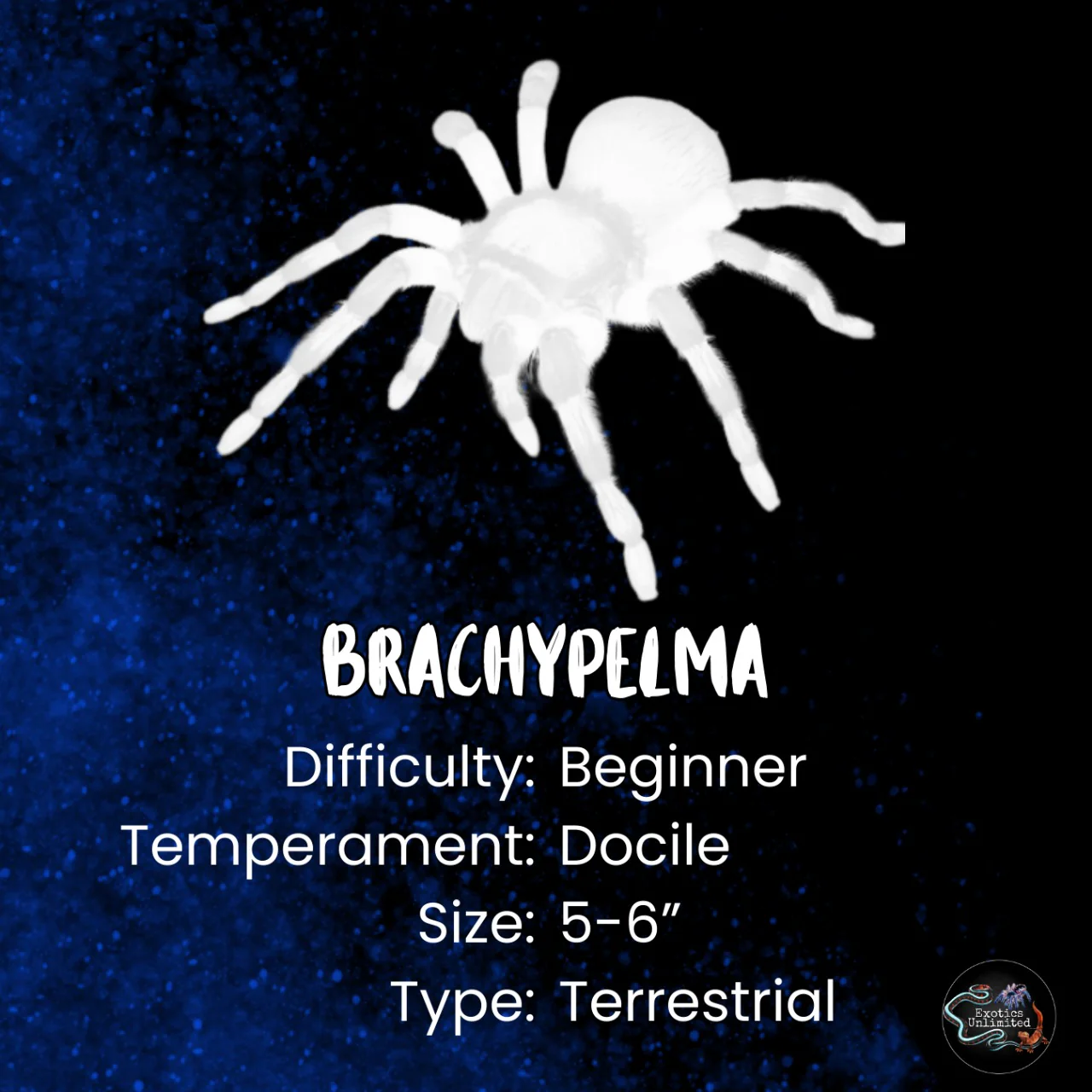
Hapalopus formosus (Pumpkin Patch Tarantula) MALE
Hapalopus formosus (Pumpkin Patch Tarantula)
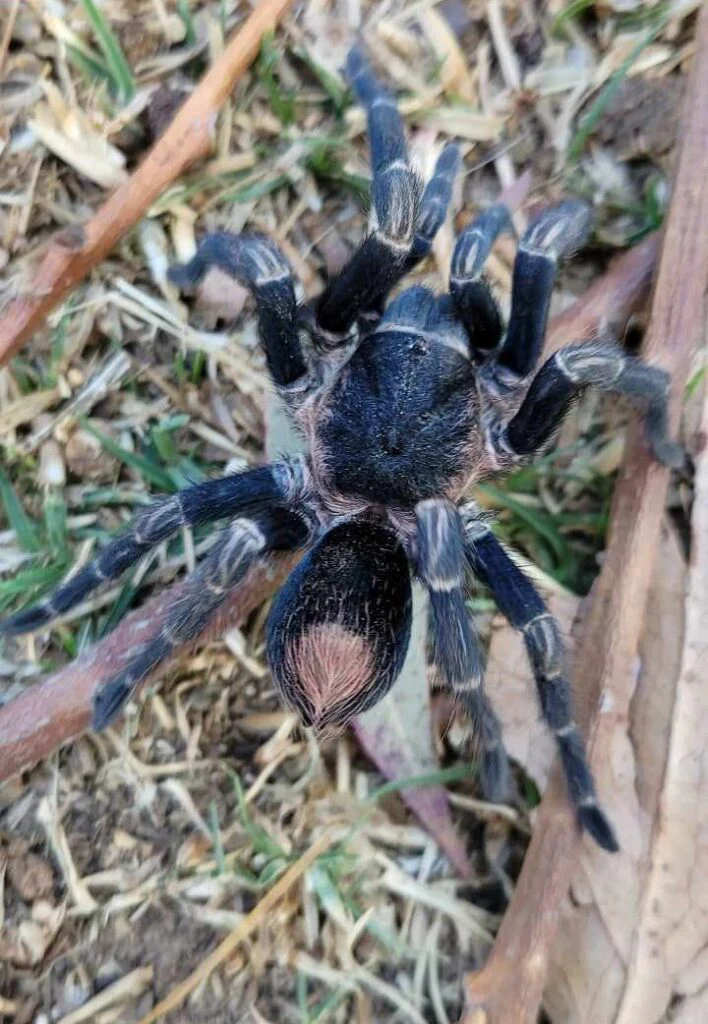
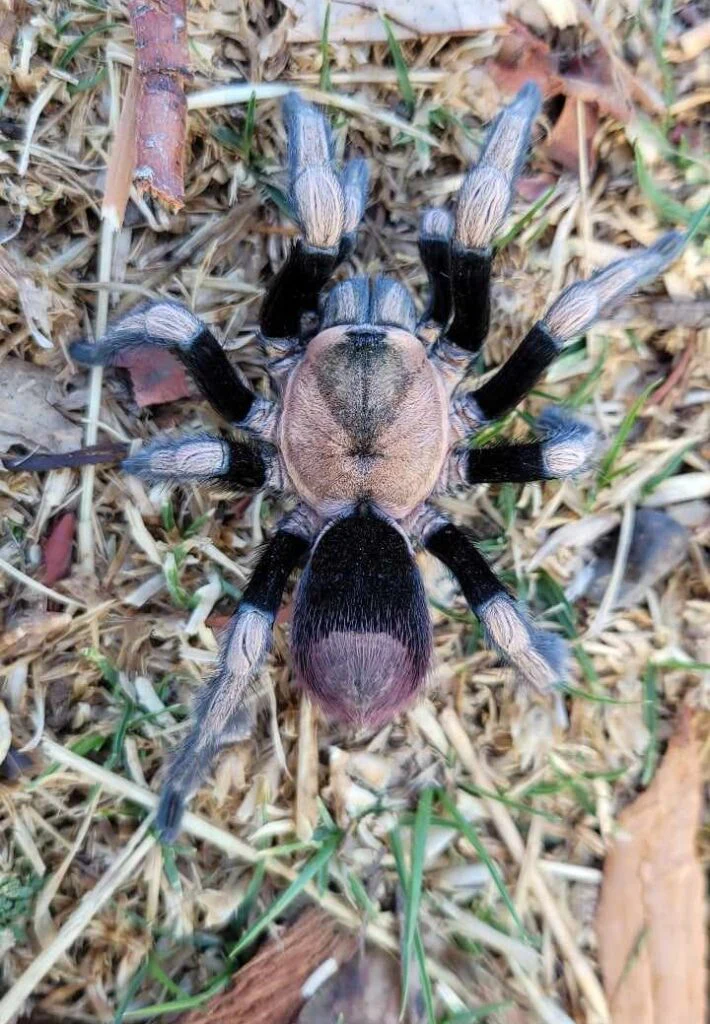
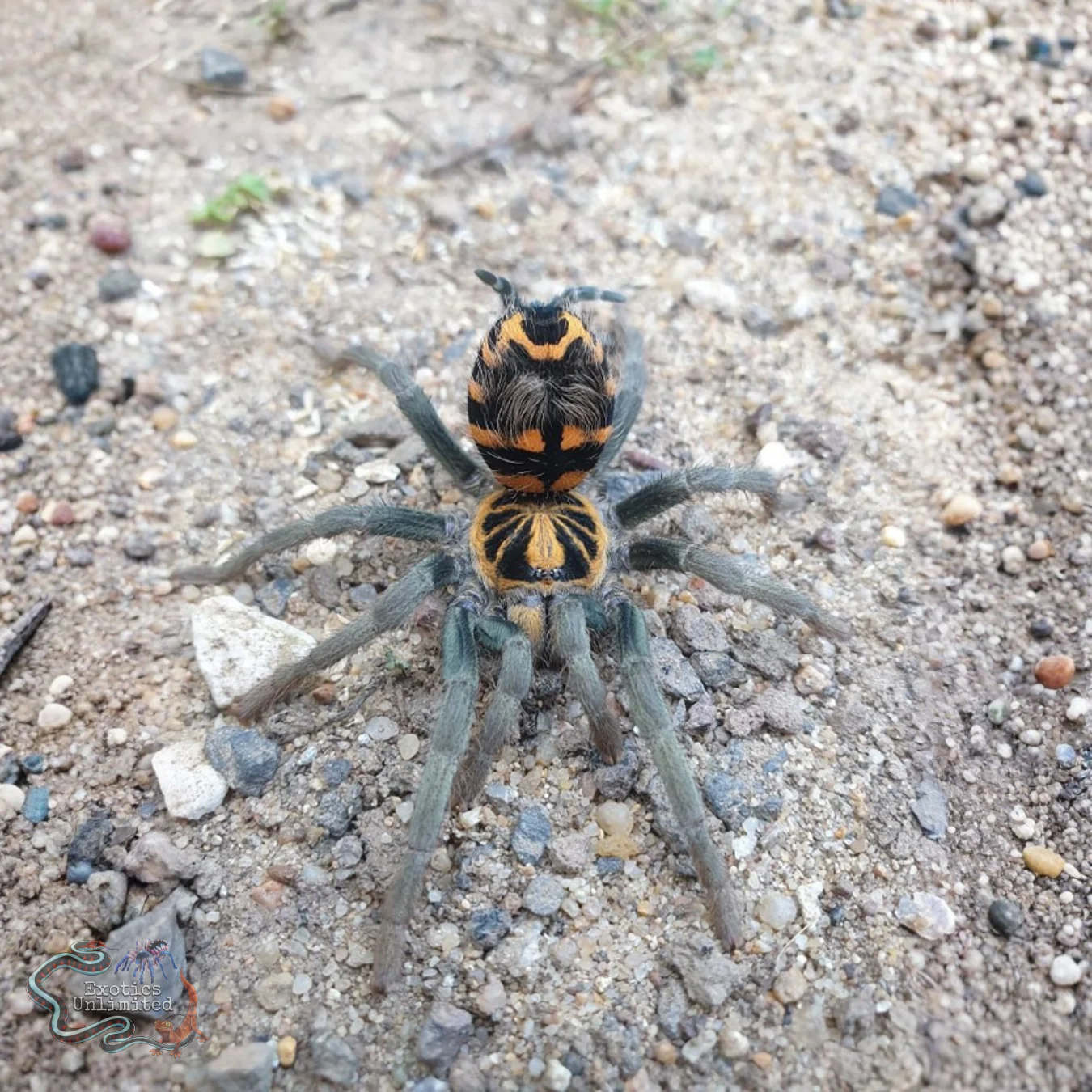
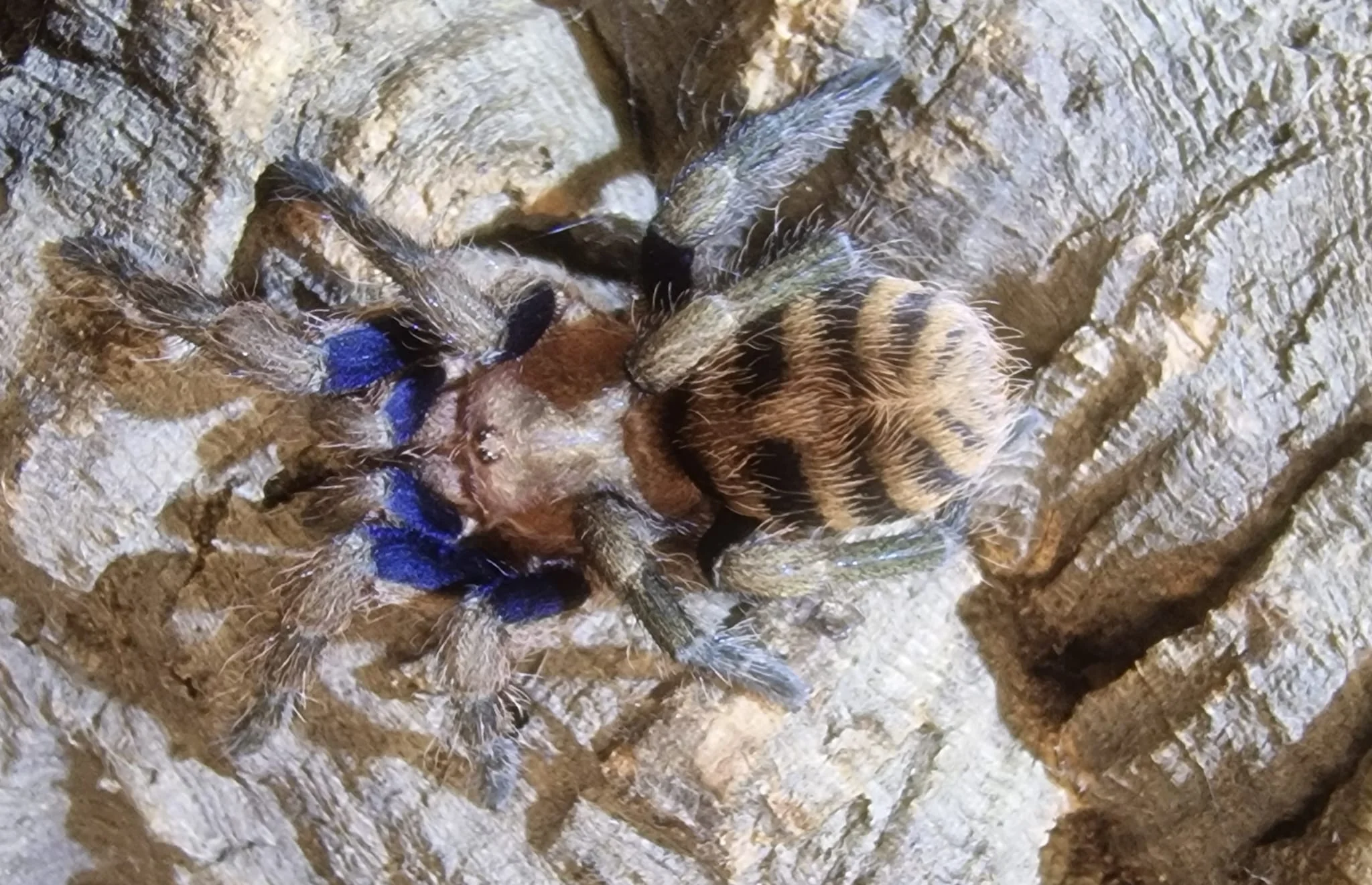
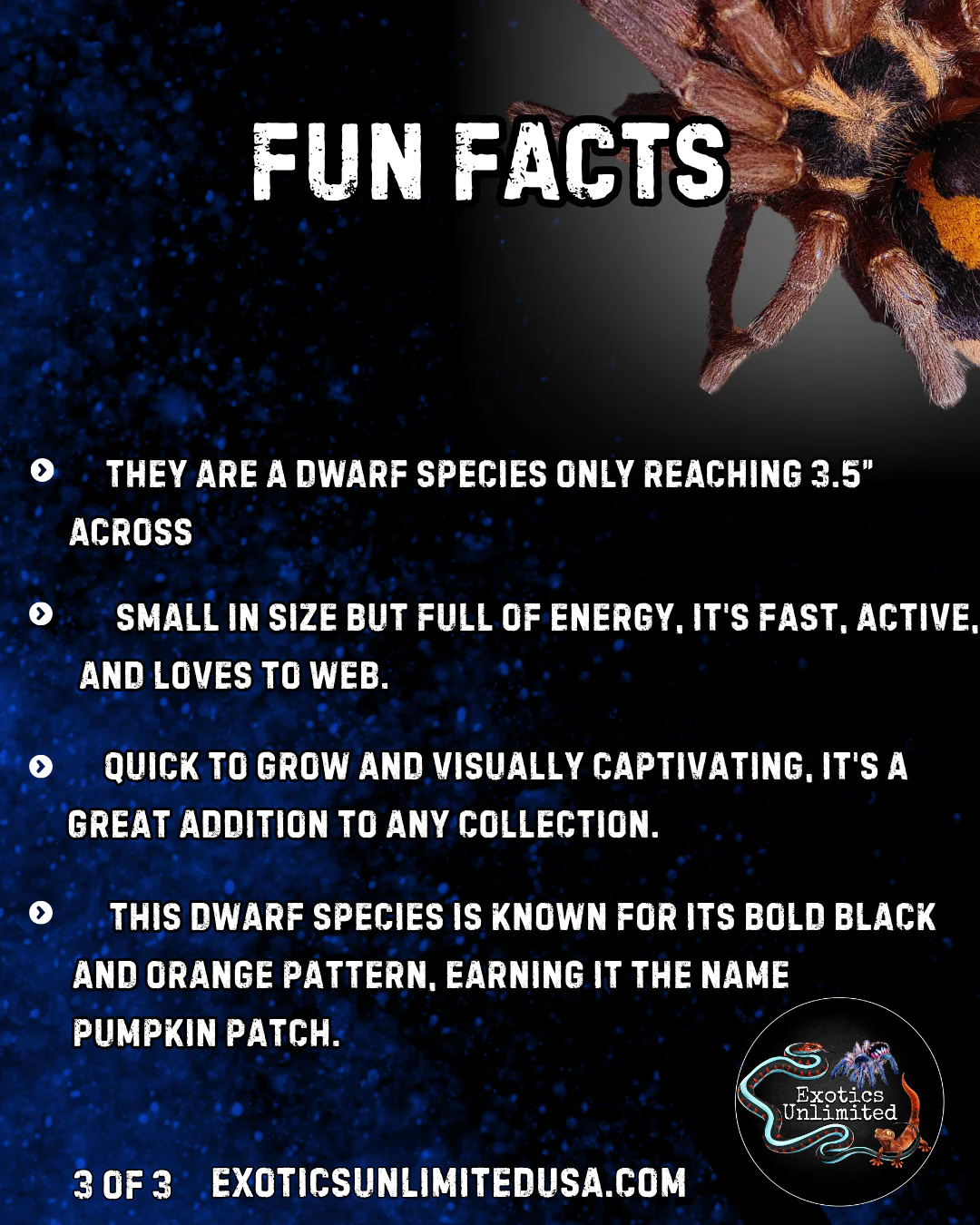
This compact Colombian dwarf stands out immediately with its bold black and burnt orange patterning, giving it that unmistakable “pumpkin patch” look. Adults hold a crisp contrast across the abdomen and legs, with dark femurs and bright orange markings that stay vivid rather than washing out over time. Unlike many species, juveniles already show strong coloration early on, developing into their adult pattern without going through a long dull phase. Despite their small 2–3 inch size, they come across as energetic and leggy, constantly moving and webbing, which makes them feel much more present than their size would suggest.
Why do hobbyists keep Hapalopus formosus?
-
Color from an early age: Slings already show their signature orange and black tones, so there’s no long wait for visual payoff
-
Heavy webbing behavior: Builds dense sheets of webbing across the enclosure, often covering substrate and decor completely
-
Active and visible: Frequently out exploring, especially when humidity is dialed in correctly
-
Compact size: A true dwarf that fits comfortably in small setups without feeling “empty”
-
Fast growth: Reaches maturity quicker than many larger terrestrial species
-
Distinct seasonal look: The pumpkin-like patterning gives it a unique aesthetic that stands apart in any collection
Care Overview?
-
Enclosure: Terrestrial setup, footprint about 3× leg span and height about 2×, with substrate depth around leg span to allow light burrowing and web anchoring
-
Temperature: 65–75°F
-
Humidity: Moderate to higher humidity, slightly moist substrate encourages more surface activity and webbing
-
Diet: Small insects such as pinhead crickets or roach nymphs, sized appropriately to the carapace (head)
-
Temperament: Fast and skittish, more prone to bolting than standing ground
Additional Notes or Considerations?
This species really benefits from a slightly more humid setup than typical dry terrestrials. When conditions are right, they’re far more likely to stay out and actively web instead of hiding. Adding light anchor points like bits of cork or leaf litter helps encourage more elaborate web structures, which is where this species truly shines.
Product Information
Product Information
Shipping & Returns
Shipping & Returns
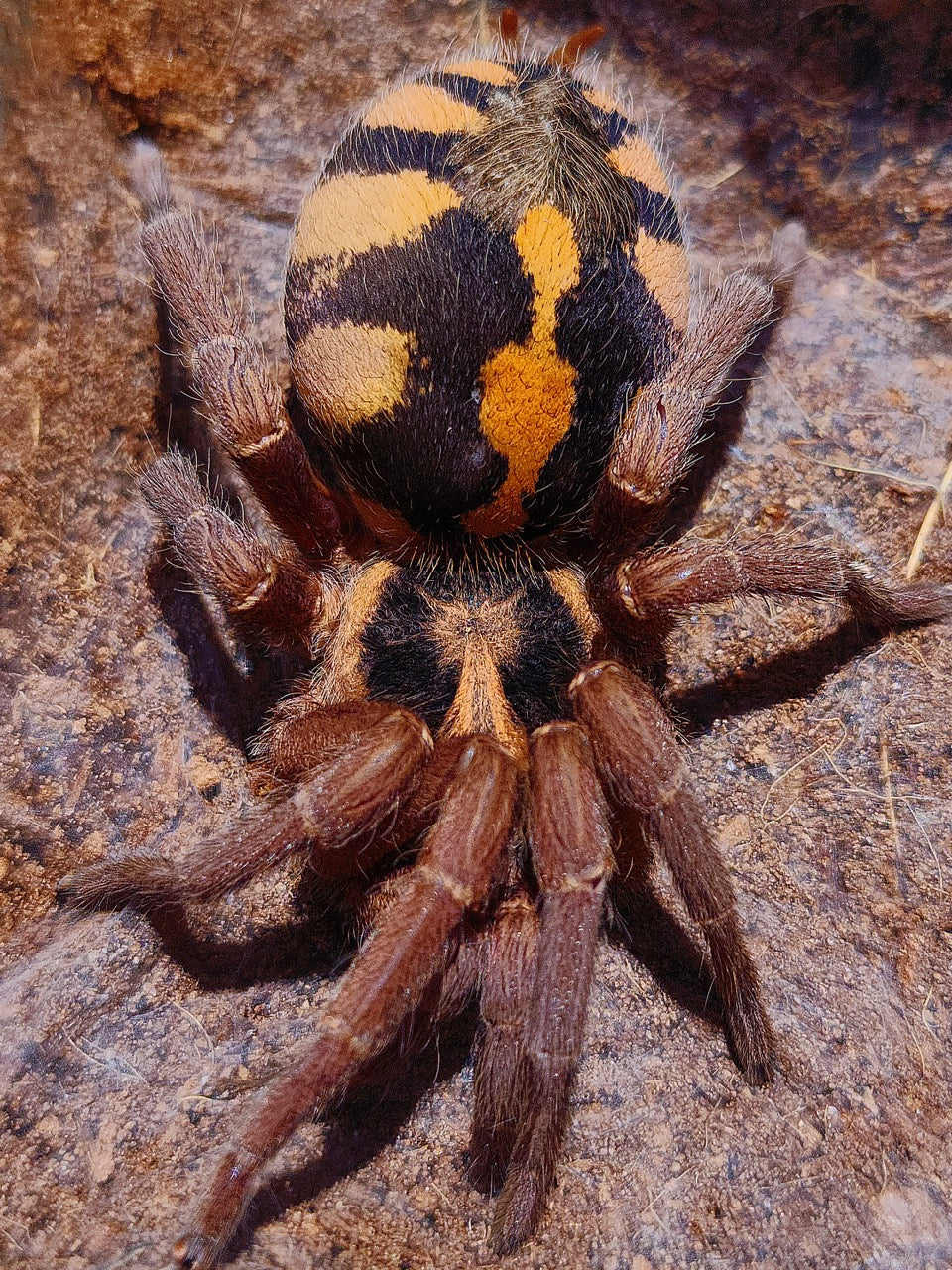
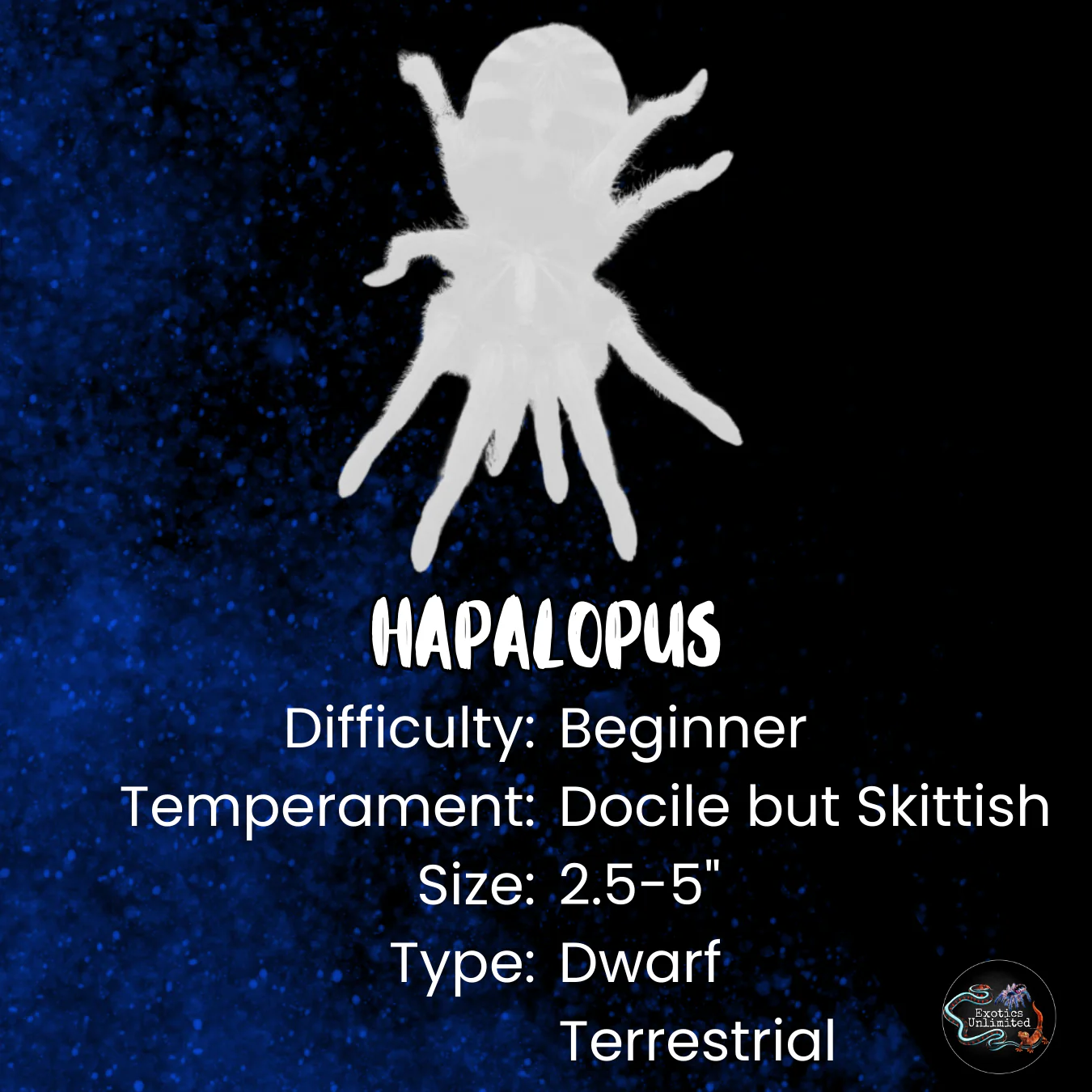

Hapalopus formosus (Pumpkin Patch Tarantula) MALE
Hapalopus formosus (Pumpkin Patch Tarantula) MALE
Hapalopus formosus (Pumpkin Patch Tarantula)
This compact Colombian dwarf stands out immediately with its bold black and burnt orange patterning, giving it that unmistakable “pumpkin patch” look. Adults hold a crisp contrast across the abdomen and legs, with dark femurs and bright orange markings that stay vivid rather than washing out over time. Unlike many species, juveniles already show strong coloration early on, developing into their adult pattern without going through a long dull phase. Despite their small 2–3 inch size, they come across as energetic and leggy, constantly moving and webbing, which makes them feel much more present than their size would suggest.
Why do hobbyists keep Hapalopus formosus?
-
Color from an early age: Slings already show their signature orange and black tones, so there’s no long wait for visual payoff
-
Heavy webbing behavior: Builds dense sheets of webbing across the enclosure, often covering substrate and decor completely
-
Active and visible: Frequently out exploring, especially when humidity is dialed in correctly
-
Compact size: A true dwarf that fits comfortably in small setups without feeling “empty”
-
Fast growth: Reaches maturity quicker than many larger terrestrial species
-
Distinct seasonal look: The pumpkin-like patterning gives it a unique aesthetic that stands apart in any collection
Care Overview?
-
Enclosure: Terrestrial setup, footprint about 3× leg span and height about 2×, with substrate depth around leg span to allow light burrowing and web anchoring
-
Temperature: 65–75°F
-
Humidity: Moderate to higher humidity, slightly moist substrate encourages more surface activity and webbing
-
Diet: Small insects such as pinhead crickets or roach nymphs, sized appropriately to the carapace (head)
-
Temperament: Fast and skittish, more prone to bolting than standing ground
Additional Notes or Considerations?
This species really benefits from a slightly more humid setup than typical dry terrestrials. When conditions are right, they’re far more likely to stay out and actively web instead of hiding. Adding light anchor points like bits of cork or leaf litter helps encourage more elaborate web structures, which is where this species truly shines.
Product Information
Product Information
Shipping & Returns
Shipping & Returns
Description
Hapalopus formosus (Pumpkin Patch Tarantula)
This compact Colombian dwarf stands out immediately with its bold black and burnt orange patterning, giving it that unmistakable “pumpkin patch” look. Adults hold a crisp contrast across the abdomen and legs, with dark femurs and bright orange markings that stay vivid rather than washing out over time. Unlike many species, juveniles already show strong coloration early on, developing into their adult pattern without going through a long dull phase. Despite their small 2–3 inch size, they come across as energetic and leggy, constantly moving and webbing, which makes them feel much more present than their size would suggest.
Why do hobbyists keep Hapalopus formosus?
-
Color from an early age: Slings already show their signature orange and black tones, so there’s no long wait for visual payoff
-
Heavy webbing behavior: Builds dense sheets of webbing across the enclosure, often covering substrate and decor completely
-
Active and visible: Frequently out exploring, especially when humidity is dialed in correctly
-
Compact size: A true dwarf that fits comfortably in small setups without feeling “empty”
-
Fast growth: Reaches maturity quicker than many larger terrestrial species
-
Distinct seasonal look: The pumpkin-like patterning gives it a unique aesthetic that stands apart in any collection
Care Overview?
-
Enclosure: Terrestrial setup, footprint about 3× leg span and height about 2×, with substrate depth around leg span to allow light burrowing and web anchoring
-
Temperature: 65–75°F
-
Humidity: Moderate to higher humidity, slightly moist substrate encourages more surface activity and webbing
-
Diet: Small insects such as pinhead crickets or roach nymphs, sized appropriately to the carapace (head)
-
Temperament: Fast and skittish, more prone to bolting than standing ground
Additional Notes or Considerations?
This species really benefits from a slightly more humid setup than typical dry terrestrials. When conditions are right, they’re far more likely to stay out and actively web instead of hiding. Adding light anchor points like bits of cork or leaf litter helps encourage more elaborate web structures, which is where this species truly shines.